
Last Updated: March 2026
- Full-grain leather: The strongest and most durable grade. Made from the outermost hide layer with all natural markings intact. Develops a patina over decades of use. Best choice for daily-use bags you want to keep long-term.
- Top-grain leather: The second-highest grade. Sanded for a smoother, more uniform surface. Still strong and durable. Better stain resistance than full-grain. Slightly shorter lifespan but more consistent appearance.
- Genuine leather: The lowest grade of real leather, despite the name. Made from lower split layers of the hide. Typically lasts two to five years. Does not patina. Not suitable for bags you intend to use daily for years.
- "Genuine leather" does not mean good leather: This is a marketing term, not a quality label. Both full-grain and top-grain are technically genuine leather. When a product is labelled only as "genuine leather" without further specification, it is usually the lowest tier.
- For bags that last a decade or more: Choose full-grain for maximum longevity and character, or top-grain for a cleaner aesthetic with excellent durability.
WHAT YOU NEED TO KNOW
- These grades represent different parts of the same hide: Full-grain, top-grain, and genuine leather all come from the same animal hide, but from different layers, processed in different ways. The difference in quality is structural, not cosmetic.
- The naming is counterintuitive: "Genuine leather" sounds like it means authentic or high quality, but it actually refers to the lowest grade of real leather. Full-grain and top-grain are both genuinely genuine leather. Genuine leather as a label is a floor, not a standard.
- Patina only happens on the top grades: Full-grain and top-grain leather develop a natural patina over the years of use because their surface fibres are intact and able to absorb oils. Genuine leather is too heavily processed to develop this quality.
- Lifespan varies dramatically: Full-grain leather lasts 20 or more years with regular care. Genuine leather typically shows significant wear within two to five years. This makes the price difference between grades less meaningful when calculated per year of use.
- Surface feel is not a reliable quality indicator: Heavily coated genuine leather can feel smooth and look polished in a shop. The difference in quality becomes apparent over months of use as the surface coating begins to peel or crack.
Walk into any leather goods shop or browse any leather bag retailer, and you will encounter these three terms repeatedly: full-grain, top-grain, and genuine leather.
Most shoppers assume they are different names for the same thing, or that "genuine leather" is the safest descriptor to look for.
Neither assumption is correct.
These three grades represent fundamentally different materials with dramatically different lifespans, appearances, and long-term value.
Understanding the difference before you buy protects you from purchasing a bag labelled as leather that will look worn out in two years, when a better choice would still be improving at the ten-year mark.
This guide explains what each grade actually is, how it is made, and how to use this knowledge practically when choosing a leather bag.
For a broader overview of all leather categories beyond these three grades, the complete guide to leather types and grades covers the full spectrum from aniline to bonded leather.
How Leather Grades Work: Starting With the Hide
To understand leather grades, you first need to understand the structure of an animal hide.
A raw hide has multiple distinct layers, each with different properties.
The outermost layer, called the grain, contains the most tightly packed and densely structured fibres in the entire hide.
These dense fibres are what give leather its strength, flexibility, and ability to absorb conditioning oils.
The deeper you go into the hide, the looser and weaker the fibre structure becomes.
Leather grades are essentially a classification of which part of the hide was used and how much processing was applied to it before it became a finished product.
The less that was removed or altered, the higher the grade.
Full-Grain Leather
Full-grain leather is made from the very outermost layer of the hide.
The hair is removed during tanning, but nothing else is sanded, buffed, or stripped from the surface.
Every natural marking is preserved: the variations in texture, the grain pattern, and any healed scars from the animal's life.
This is what makes full-grain leather unique and slightly imperfect in the best possible way.
No two pieces are identical.
Because the dense grain layer is fully intact, full-grain leather is the strongest of all leather grades.
It resists wear and damage better than any processed leather of the same thickness.
It also develops a patina over time, a gradual deepening and enriching of the surface colour that occurs as the leather absorbs oils from handling and use.
A full-grain leather bag used and cared for over ten years typically looks better than it did when new.
This is the characteristic that distinguishes it most clearly from the grades below it.
Full-grain leather is more difficult and expensive for manufacturers to work with because imperfections cannot be hidden.
Every panel must be cut from a part of the hide that meets quality standards for natural appearance.
This drives up both material cost and production time, which is reflected in the retail price.
For a detailed breakdown of the properties, tanning methods, and best uses of this grade, the deep dive into full-grain leather covers everything from aniline finishing to how the patina develops over decades.
Top-Grain Leather
Top-grain leather also comes from the outer layer of the hide, but the surface has been sanded or buffed to remove natural imperfections.
The result is a smoother, more uniform surface that most consumers find easier to accept aesthetically because it looks perfect and consistent across every panel.
Sanding the surface removes some of the densest outer fibres, which makes top-grain leather slightly thinner, more workable, and a small degree less durable than full-grain leather of the same hide origin.
A protective finish or coating is then applied over the sanded surface, which gives top-grain leather better stain resistance than full-grain leather and helps it maintain a consistent appearance for longer before showing wear.
Top-grain leather is the most widely used grade in high-quality commercial leather goods production.
Most genuine leather bags sold at mid to premium price points in mainstream retail are top-grain.
The durability is excellent for everyday use, the surface is more forgiving of minor stains and moisture, and the price is lower than full-grain because more of each hide can be used.
Top-grain leather does not develop the same depth of patina as full-grain leather because the surface coating limits how much oil the leather can absorb.
It ages well but maintains its original appearance more closely than full-grain, rather than transforming over the years of use.
The detailed comparison of how top-grain leather differs from full-grain covers the finishing process, common uses, and how to identify which grade a bag uses in practice.
Genuine Leather
This is where the terminology becomes most misleading for buyers.
"Genuine leather" sounds like a quality assurance: authentic, real, trustworthy.
In practice, it is the lowest grade of real leather.
Genuine leather is made from the split layers left after the full-grain and top-grain sections have been cut away from the hide.
These lower layers have a much looser fibre structure, which means they are significantly weaker, more porous, and far more vulnerable to surface wear.
Because the natural grain is absent from a split layer, an artificial grain pattern is typically embossed onto the surface.
Heavy coatings are applied to give the appearance of higher-grade leather.
The result, when new in a shop, can look convincingly similar to top-grain leather.
The difference becomes apparent within months of regular use.
The surface coating begins to crack and peel as the underlying split layer lacks the flexibility to support it.
The leather dries out faster because the fibre structure cannot retain conditioning oils effectively.
Genuine leather does not develop a patina because there is no dense outer grain layer to absorb and respond to oils from use.
For occasional-use items or budget-constrained purchases where longevity is not the priority, genuine leather has its place.
For a daily-use bag that needs to last, it is not the right choice.
The full explanation of the full guide to genuine leather covers how this grade is manufactured, what it looks and feels like in different product contexts, and when it represents reasonable value.
Side-by-Side Comparison
| Factor | Full-Grain | Top-Grain | Genuine Leather |
|---|---|---|---|
| Hide layer | Outermost layer, unaltered | Outer layer, sanded smooth | Lower split layers |
| Surface | Natural grain, slight imperfections | Smooth, uniform, finished | Embossed, heavily coated |
| Durability | Highest | High | Low |
| Typical lifespan | 20 to 30+ years | 10 to 20 years | 2 to 5 years |
| Patina development | Yes, rich and deep over time | Light patina possible | No |
| Stain resistance | Moderate (no protective coating) | High (surface finish helps) | Initially high, degrades quickly |
| Price range | Highest | Mid to high | Budget to mid |
| Best for | Daily-use bags, long-term investment | Professional bags, clean aesthetics | Occasional use, budget items |
EXPERTLY CRAFTED GENUINE LEATHER
Leather Bags Made to Last Years, Not Months
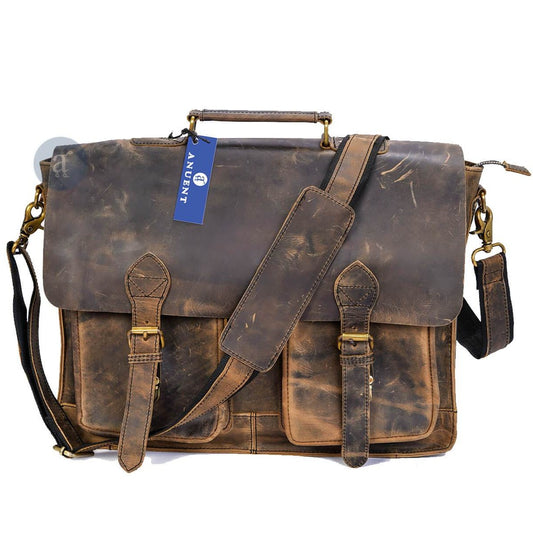
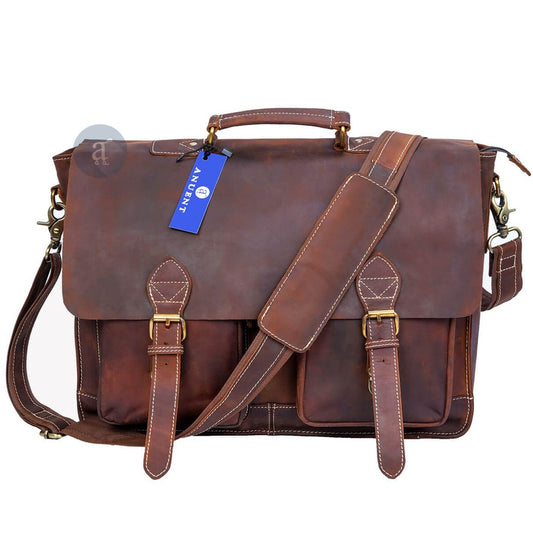
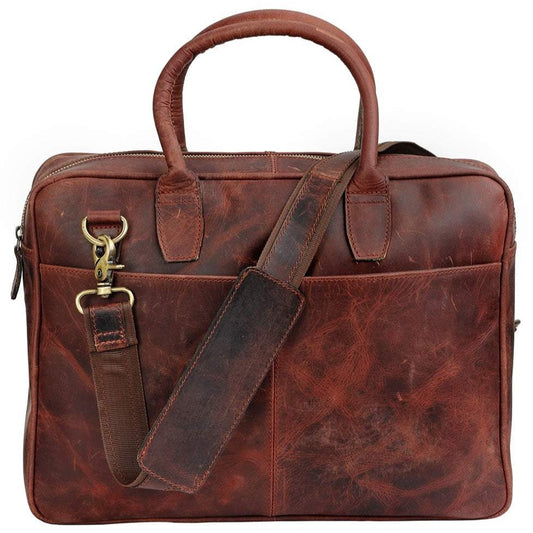
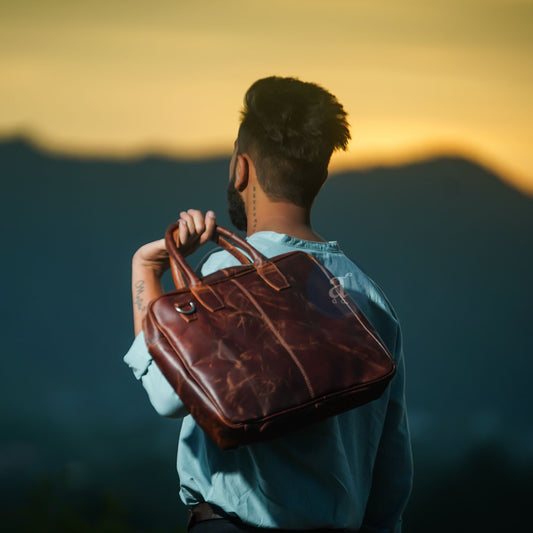
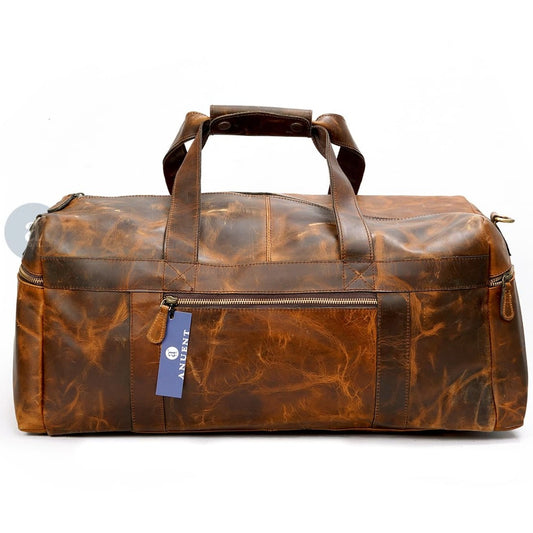
All Anuent bags are crafted from genuine leather including top-grain buffalo and goat leather. Free shipping to USA, UK, and Canada. Free monogramming on every order.
What About Bonded Leather?
Bonded leather deserves a mention here because it is frequently encountered in the market and is sometimes confused with genuine leather.
Bonded leather is not a grade of real leather.
It is made from leather scraps and shavings ground up and bonded together with adhesives, then coated with polyurethane to simulate the appearance of real leather.
The leather content in bonded leather products can be as low as 10 percent of the total material.
Bonded leather typically peels and delaminates within one to three years because the adhesive layer separating the coating from the base material breaks down under regular use and flexing.
It cannot be conditioned, repaired meaningfully, or restored.
For a direct comparison of the differences in performance and feel, the guide on how bonded leather compares to genuine covers the practical distinctions in detail.
How to Identify Leather Grade When Shopping
Identifying leather grade from a product listing or in a shop is not always straightforward, but several practical tests help.
- Look at the cut edges: The most reliable indicator. Full-grain and top-grain leather show consistent fibrous texture at cut edges with no visible layering. Genuine leather and bonded leather often show a split or layered structure at the edge, sometimes with a plastic-looking core or paper-thin surface layer.
- Check for surface uniformity: A perfectly uniform, flawless surface with an identical grain pattern across every panel is a sign of heavy processing. Full-grain leather has slight natural variation. Top-grain has a more consistent surface but still reads as natural rather than printed.
- Apply the smell test: Real leather has a distinctive, earthy, organic smell. Genuine leather with heavy coatings often smells more chemical or plastic-like, particularly when new.
- Press the surface gently: Full-grain and top-grain leather give slightly under pressure and spring back. Heavily coated genuine leather or bonded leather often feels stiffer or more plastic-like under pressure.
- Use price as a filter: A bag labelled genuine leather at under fifty dollars is almost certainly the lowest processing tier. Real full-grain leather bags require significantly higher material and production costs that are always reflected in retail pricing.
Which Grade Is Right for Your Bag?
The right choice depends on how you intend to use the bag and how long you expect to keep it.
Choose full-grain if:
- You carry the bag daily and want it to last a decade or more
- You value character and patina development over perfect surface consistency
- You are buying a bag as a long-term investment rather than a seasonal item
- You enjoy the idea of the leather improving and telling a story through use
Choose top-grain if:
- You want excellent durability with a cleaner, more polished surface appearance
- You need better stain resistance for a professional environment
- You prefer a more consistent look across the bag without natural variation
- You want genuine leather quality at a slightly lower price point than full-grain
Choose genuine leather if:
- The bag will be used occasionally rather than daily
- Budget is the primary constraint, and you understand the lifespan tradeoff
- The item is not something you plan to keep or invest care in long-term
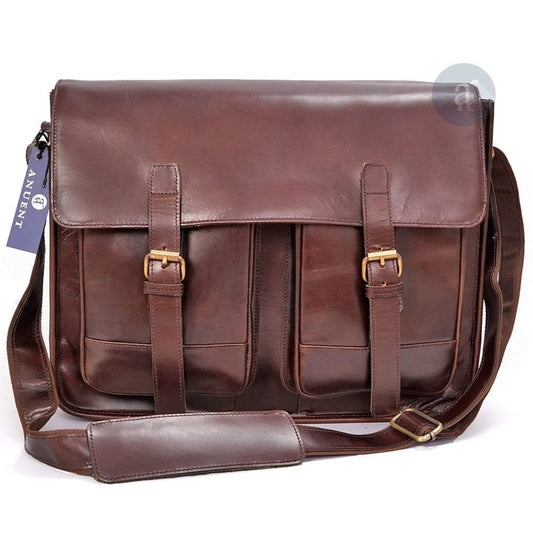
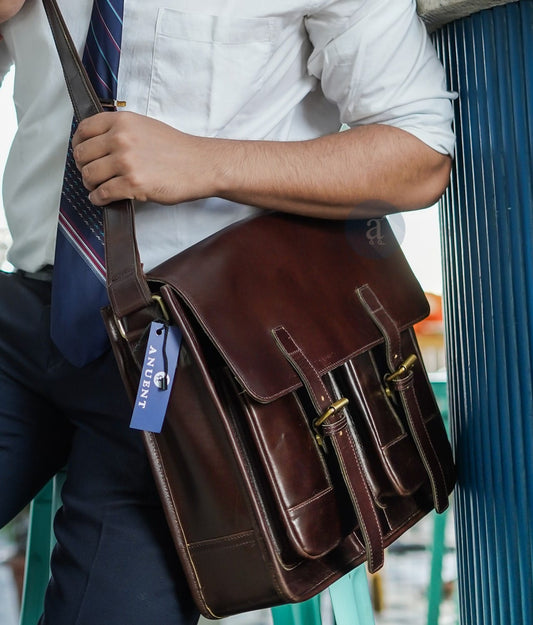
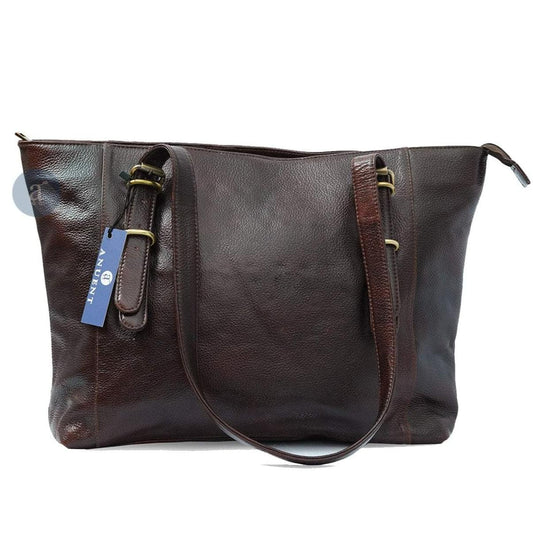
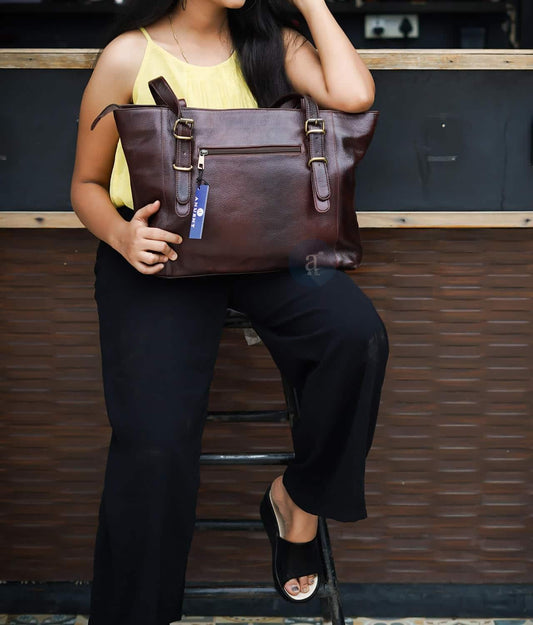
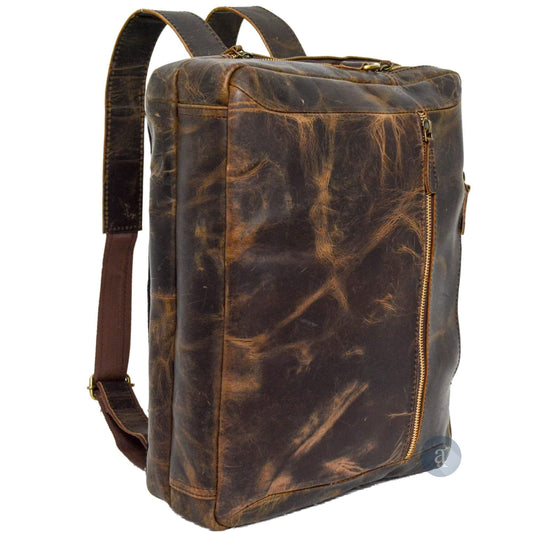
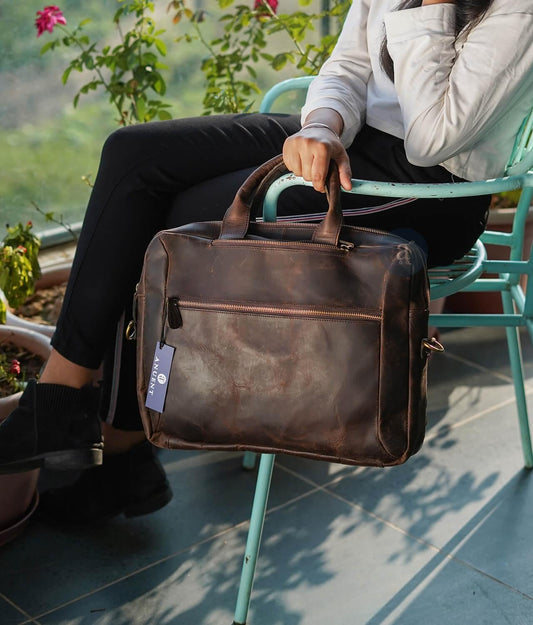
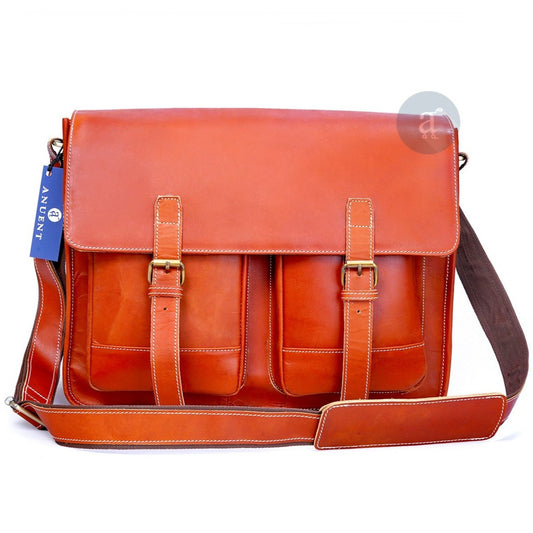
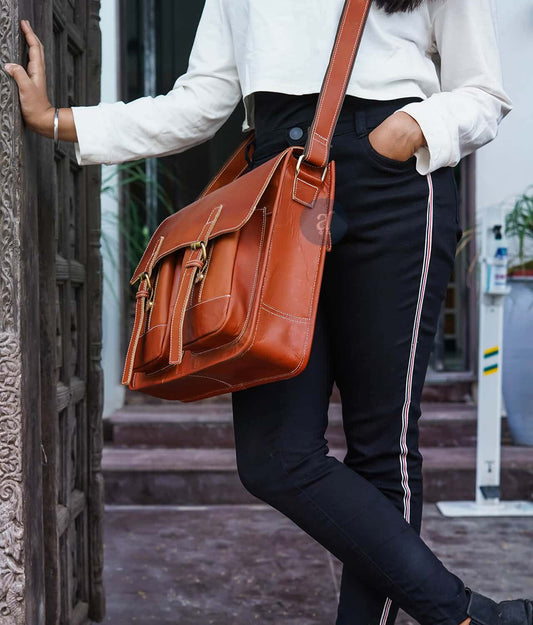
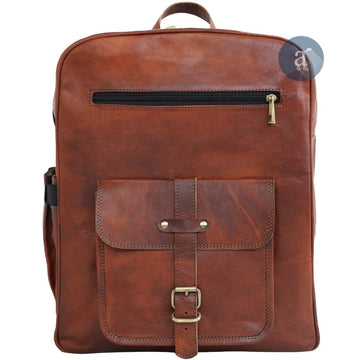
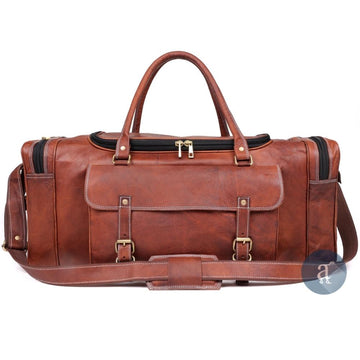
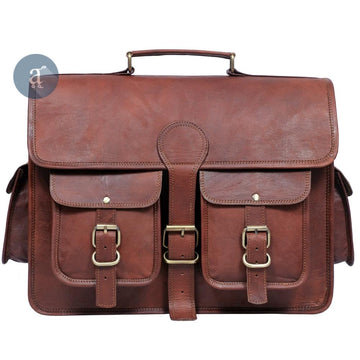
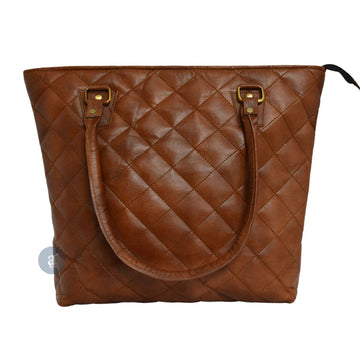
The full Anuent range uses top-grain buffalo leather, goat leather, and vegetable-tanned leather across its bags and accessories, chosen for the durability and natural texture that regular use develops over time.
Caring for Each Grade
Each leather grade responds to conditioning differently, and the care approach needs to reflect this.
Full-grain leather benefits most from regular conditioning every three to six months because the open natural surface readily absorbs conditioning oils and replenishes the fibre structure.
Top-grain leather also benefits from regular conditioning, though its surface coating means absorption is slightly slower.
Genuine leather provides the least conditioning benefit because the lower split layers cannot absorb and retain oils as effectively as the denser upper grain layers.
Conditioning genuine leather still extends its life, but the improvement is less dramatic than on the premium grades.
The guide on how to care for each leather grade properly covers conditioning frequency, cleaning methods, and storage practices specific to each grade.
Frequently Asked Questions
What is the difference between full-grain, top-grain, and genuine leather?
Full-grain leather comes from the outermost layer of the hide with no surface alteration.
It is the strongest, most durable grade and develops a patina with age.
Top-grain leather also comes from the outer hide but has been sanded to remove surface imperfections, making it smoother and more uniform but slightly less durable.
Genuine leather is made from lower split layers of the hide and is the lowest quality of real leather, despite its misleadingly positive name.
It lacks the strength and longevity of the two premium grades.
Is genuine leather good quality?
No, not in the way the name implies.
Genuine leather is the lowest grade of real leather.
It is made from the split layers left after full-grain and top-grain have been processed, then coated heavily to simulate a higher-grade appearance.
It typically lasts two to five years under regular use before showing significant wear and does not develop a patina.
Which leather grade is best for a bag?
Full-grain leather is the best choice for a bag intended for daily use over many years.
It is the strongest grade, develops a desirable patina over time, and with proper care can last decades.
Top-grain is an excellent choice if you prefer a cleaner, more uniform surface and are willing to accept slightly reduced long-term durability.
Genuine leather is suitable only for occasional-use items or budget-constrained purchases where longevity is not the priority.
How can you tell which leather grade a bag is made from?
Look at the cut edges of the leather.
Full-grain and top-grain show consistent fibrous texture at cut edges with no visible layering.
Genuine leather often shows a split or layered structure at the edge.
Natural surface variation is characteristic of full-grain leather specifically.
Price is also a reliable indicator: a bag labelled genuine leather at under fifty dollars is almost certainly lower grade.
Does full-grain leather scratch easily?
Full-grain leather can develop surface marks because it has no protective coating.
However, these marks tend to blend into the surface over time and contribute to the patina that makes aged full-grain leather highly valued.
Light buffing with a cloth will often reduce the visibility of minor surface marks.
This characteristic is a feature of the grade rather than a weakness.
What is the lifespan of each leather grade?
Full-grain leather with regular conditioning can last 20 to 30 years or more and typically looks better than new after a decade of use.
Top-grain leather typically lasts 10 to 20 years with regular care.
Genuine leather typically shows significant wear within two to five years of daily use and cannot be meaningfully restored through conditioning.
Is top-grain leather better than genuine leather?
Yes, significantly.
Top-grain leather comes from the outer hide layer and retains most of the natural strength of the hide despite being sanded smooth.
It is far more durable than genuine leather, develops a light patina over time, and responds well to conditioning.
The quality gap between top-grain and genuine leather is larger than the gap between top-grain and full-grain.
What leather does Anuent use in its bags?
Anuent bags are made from genuine leather, including top-grain buffalo leather, goat leather, and vegetable-tanned leather.
Every bag is expertly crafted to deliver durability, structure, and a natural feel that improves with regular care and use.
You can browse our genuine leather bag collection to see the full range across all categories.
BUILT FROM QUALITY LEATHER
Leather Bags That Reward Every Year of Use
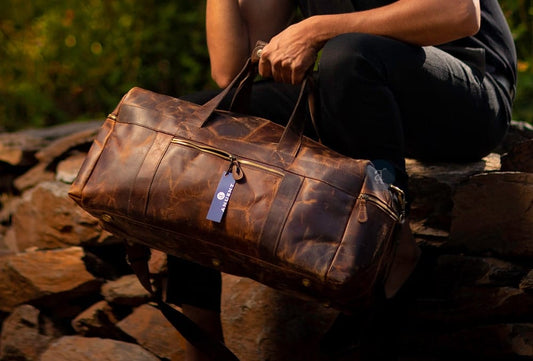
Every Anuent bag is expertly crafted from top-grain buffalo leather, goat leather, and vegetable-tanned leather designed to last, soften, and improve with age. Free shipping to USA, UK, and Canada. Free monogramming on every order.